
Baldur’s Gate 3: The Necromancy of Thay – Master Its Dark Secrets or Face Its Corrupting Influence?










Popular Now
 Toca Boca World
Genshin Impact
Toca Boca World
Genshin Impact
 Brawl Stars
Poppy Playtime
Brawl Stars
Poppy Playtime
 Stumble Guys
Valorant
Stumble Guys
Valorant
 CarX Street
Counter-Strike 2
Garena Free Fire: Kalahari
CarX Street
Counter-Strike 2
Garena Free Fire: Kalahari
 Warframe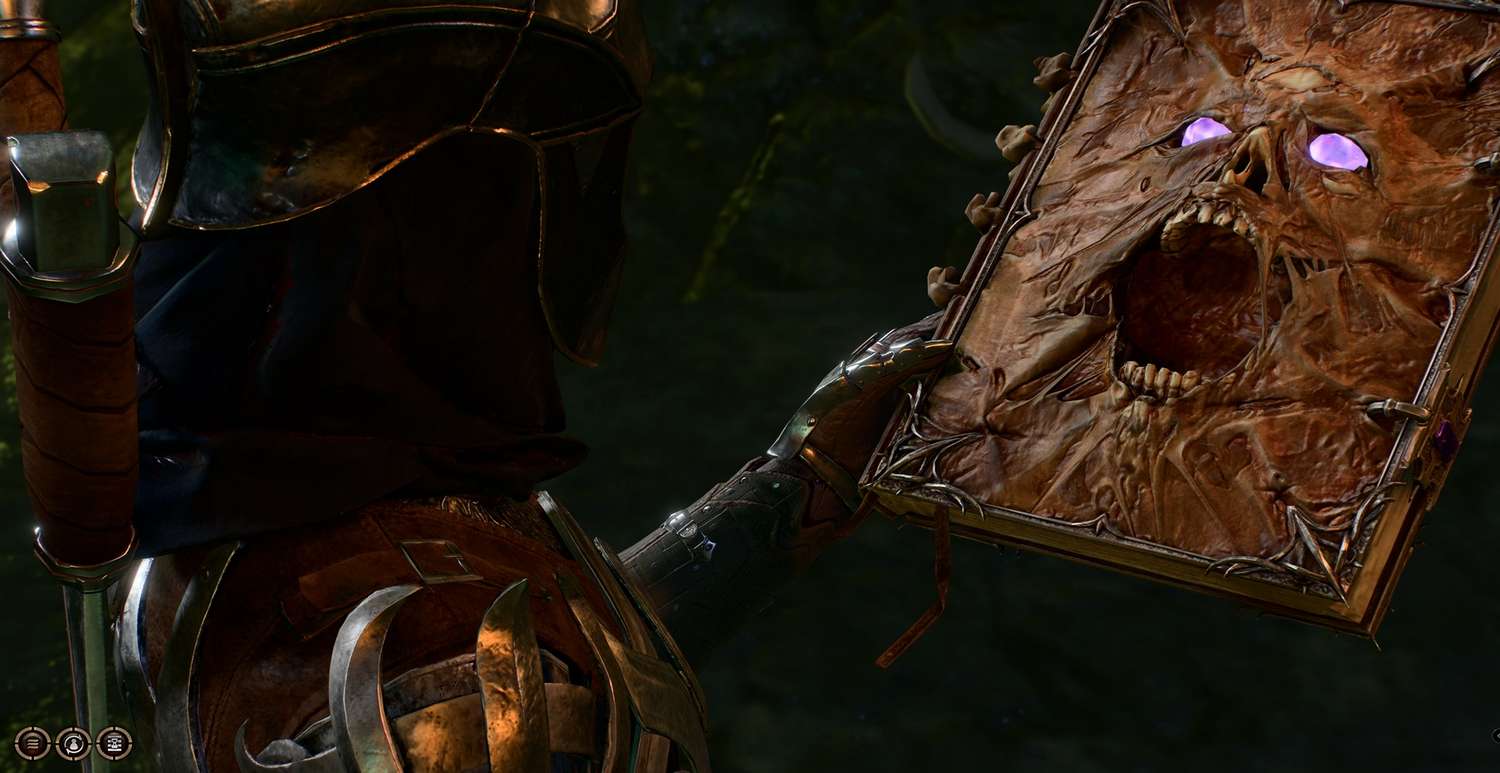
Baldur’s Gate 3: The Necromancy of Thay – Master Its Dark Secrets or Face Its Corrupting Influence?
In the vast, intricate world of Larian Studios’ critically acclaimed RPG, Baldur’s Gate 3, players are constantly faced with decisions that shape their journey, define their character, and alter the very fabric of Faerûn. Among the multitude of powerful artifacts and moral dilemmas, one item stands out for its potent allure and profound consequences: the Necromancy of Thay. This ancient tome of forbidden knowledge, pulsating with dark energy, presents a unique strategic and ethical challenge. For players delving into this dark fantasy epic, understanding what to do with the Necromancy of Thay is paramount, as it can unlock incredible power or lead to irreversible corruption.
This comprehensive guide reviews the choices surrounding this legendary artifact, dissecting its origins, its potential, and the long-term impact on your BG3 playthrough. Whether you seek to wield its forbidden magic, destroy its corrupting influence, or simply understand its place in the game’s rich lore, we’ll navigate the perilous path ahead.
Unearthing the Tome: Where to Find the Necromancy of Thay
Your encounter with the Necromancy of Thay begins relatively early in Act 1 of Baldur’s Gate 3, specifically within the desecrated confines of the Blighted Village. This area, a hub for various early-game quests and encounters, harbors the tome beneath an old, dilapidated apothecaries’ basement. To reach it, players must navigate a tricky set of circumstances:
- Locate the Basement Entrance: Inside the main building of the Blighted Village, search for a hidden basement access point, often concealed by a loose floorboard or a trapdoor behind a bookcase.
- Bypass Traps: The path to the tome is guarded by explosive traps. Characters with high Dexterity and proficiency in Sleight of Hand can disarm these, or more direct (and explosive) methods can be employed.
- The Web Pits: The tome itself is found within a locked, heavily-guarded chamber, often accessed by jumping down into the Web Pits below the Blighted Village, or through a secret passage from the basement.
- Unlocking the Stone Coffin: The book is sealed within a Stone Coffin. The key can be found nearby, or the coffin can be forced open with a successful Strength check.
Once acquired, the Necromancy of Thay isn’t just another loot item. It immediately presents itself as a choice, demanding your attention and promising an unparalleled delve into the darkest corners of magic.
First Contact: The Initial Arcana Challenge
Upon acquiring the Necromancy of Thay, your party will likely react, expressing concern or curiosity depending on their alignment and disposition. The initial interaction with the book requires a significant intellectual feat:
- Attempt to Open: The book is magically sealed. To even consider reading it, a character must pass a DC 10 Wisdom saving throw. Failing this will result in a small amount of psychic damage.
- The First Page: Successfully opening it leads to a DC 15 Arcana check. Passing this allows you to read the first chapter. Failure prevents you from reading further without specific actions or conditions, and again, inflicts psychic damage.
At this point, you have several primary options, each with distinct ramifications:
- Option 1: Destroy the Book: For those on a righteous path or wary of dark magic, destroying the Necromancy of Thay is a viable option. However, it’s not straightforward. The book is resilient and requires specific conditions or a powerful attack to obliterate. Its destruction removes the potential for its power and its corruption, aligning with a more good-aligned playthrough.
- Option 2: Ignore It (For Now): You can simply leave the book in your inventory, postponing the decision. This allows you to explore other aspects of Baldur’s Gate 3 gameplay, gather more information, or find a character better suited to interact with it.
- Option 3: Attempt to Read the Tome: This is where the true adventure with the Necromancy of Thay begins. For players eager to unlock powerful spells and delve into dark lore, this path offers the most substantial rewards and risks.

The Path of Forbidden Knowledge: Reading the Chapters
Choosing to read the Necromancy of Thay is a commitment to a perilous journey. The book contains three initial chapters, each requiring a successful DC 20 Wisdom saving throw to comprehend without succumbing to its corrupting influence. These checks can be quite challenging in early Act 1, often requiring a character with high Wisdom or beneficial buffs.
- Chapter 1 Success: Grants the permanent condition Forbidden Knowledge. This provides a +1 bonus to all Wisdom saving throws.
- Chapter 2 Success: Continues the Forbidden Knowledge condition, potentially deepening your connection to the book’s power.
- Chapter 3 Success: Further solidifies your understanding, leading towards the book’s ultimate reward.
Failing any of these checks inflicts psychic damage and can impose temporary or even permanent debuffs, highlighting the inherent danger of communing with such dark texts. The experience of wrestling with the tome’s influence is a visceral part of the RPG experience, forcing players to confront their character’s mental fortitude.
The Missing Piece: Locating the Dark Amethyst
After successfully reading the initial chapters, you’ll discover that the Necromancy of Thay is incomplete. A crucial component, the Dark Amethyst, is missing. Without it, you cannot unlock the tome’s full potential. This sends you on a side quest within Act 1, proving that the pursuit of ultimate power in BG3 often demands further exploration.
- Where to Find It: The Dark Amethyst is located within the Sunlit Wetlands (also known as the Putrid Bog), beneath Auntie Ethel’s Riverside Teahouse. It’s hidden in a sarcophagus within her lair, an area teeming with challenging encounters and difficult puzzles.
- Merging the Components: Once acquired, the Dark Amethyst can be combined with the Necromancy of Thay in your inventory, completing the ancient artifact and preparing it for its final, most dangerous ritual.
Confronting the Tome’s Full Power: The Final Ritual
With the Dark Amethyst integrated, the Necromancy of Thay is complete. Now comes the ultimate test, a final struggle against its immense, dark power. This step requires a DC 20 Wisdom saving throw.
- Success: Danse Macabre Unlocked: If you successfully pass the final Wisdom save, your character is rewarded with the incredibly powerful spell, Danse Macabre. This spell allows you to summon six ghouls to fight alongside you for a limited duration. These ghouls are formidable allies in combat, capable of paralyzing enemies, making this a highly valuable asset for any spellcaster or even a martial character looking for supplementary crowd control and damage. The Forbidden Knowledge condition remains, providing its passive bonus. This outcome solidifies the Necromancy of Thay as a top-tier magical item in the early game.
- Failure: The Lingering Whispers: Failing the final Wisdom save can have dire consequences. While the exact debuffs can vary slightly with game updates, a common outcome is a permanent disadvantage on attack rolls or other key checks, representing the book’s corrupting influence overwhelming your mind. You will also fail to gain the Danse Macabre spell, leaving you with only the negatives of your dark pursuit. This makes the final check a high-stakes gamble, truly testing the player’s commitment to dark arts.
The Strategic Value: Is the Necromancy of Thay Worth the Risk?
From a gameplay mechanics standpoint, the Necromancy of Thay presents a compelling risk-reward scenario. Its value is highly dependent on your character build, party composition, and overall playstyle in Baldur’s Gate 3.
- Advantages for Your Party: The Danse Macabre spell is undeniably potent. Summoning six ghouls can dramatically shift the tide of difficult encounters, providing excellent crowd control through paralysis and additional damage. This makes it an attractive option for characters who can benefit from an expanded arsenal of combat options, particularly during the challenging encounters of Act 1 and Act 2. It’s a significant power spike for solo characters or parties needing more battlefield presence.
- Narrative and Roleplaying Implications: For players embracing an evil or morally ambiguous playthrough, the Necromancy of Thay aligns perfectly. It offers a taste of forbidden power, reinforcing a narrative arc of delving into darkness. Characters with a thirst for knowledge, like a Gale-inspired wizard, might also find the pursuit of its secrets intellectually stimulating, even if morally questionable. However, for good-aligned characters, the choice becomes a fascinating internal conflict. Is the power worth the potential taint? The reactions of companions, especially those with strong moral compasses, will reflect your choice, adding depth to your roleplaying experience.
- Potential Drawbacks and Moral Cost: The most significant drawback is the risk of failure on the final Wisdom check. A permanent debuff can be debilitating and difficult to negate, making future combat and dialogue checks more challenging. Furthermore, embracing the Necromancy of Thay might clash with your character’s established morality or alienate certain companions. This artifact isn’t just a combat tool; it’s a statement about your character’s soul.
Companion Reactions and Lore Implications
Your companions in Baldur’s Gate 3 are not passive observers; they react to your choices. Interacting with the Necromancy of Thay will undoubtedly elicit responses. Characters like Lae’zel or Astarion might approve of your pursuit of power or knowledge, while Shadowheart or Karlach might voice disapproval, especially if you succumb to its dark influence. These reactions contribute to your overall relationship with them, affecting their approval ratings and potentially unlocking unique dialogue or quest lines.
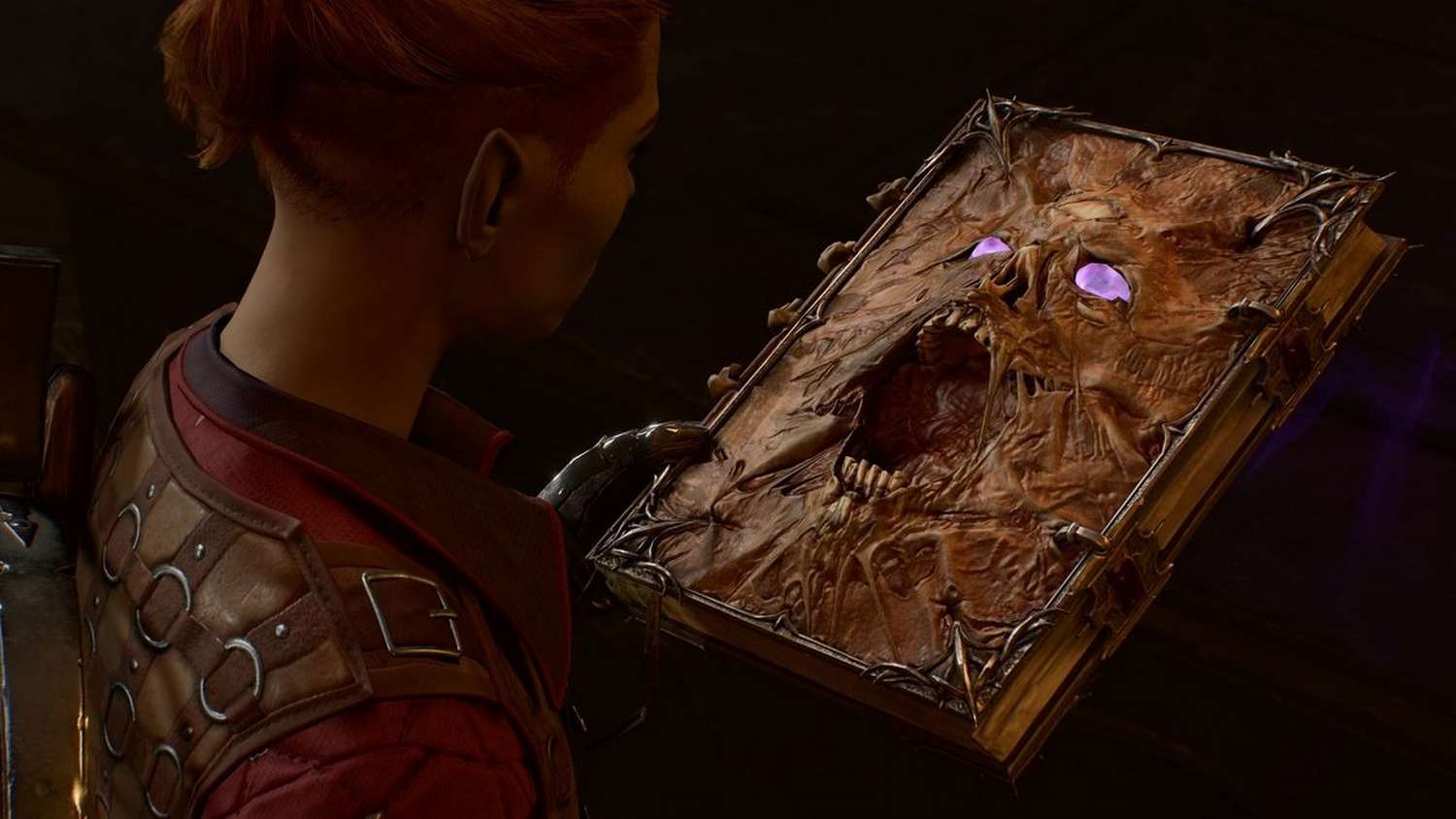
From a lore perspective, the Necromancy of Thay is a relic of ancient, terrible power, tied to the lore of undeath and powerful wizards from previous D&D editions. Its presence in BG3 grounds the game in the rich history of the Forgotten Realms, providing a palpable connection to a darker, forgotten past. Understanding this deeper context enhances the feeling of playing a grand, epic adventure.
Making Your Choice: A Reviewer’s Perspective
As an expert in game reviews, my recommendation regarding the Necromancy of Thay hinges on your intended playstyle. If you are a player who thrives on optimizing combat, enjoys exploring morally grey areas, and isn’t afraid of high-stakes gambles, then pursuing the power of the Necromancy of Thay is highly recommended. The Danse Macabre spell provides a tangible, significant boost to your combat prowess, making challenging encounters much more manageable. It’s a fantastic tactical advantage that can elevate your early-to-mid-game strength.
However, if you are strictly roleplaying a good-aligned character, or if you prefer a less risky approach, destroying the book or simply leaving it be are perfectly valid choices. The game offers numerous other powerful items and spells to aid your journey, and you won’t be severely disadvantaged by forsaking this particular relic. The beauty of Baldur’s Gate 3 lies in its flexibility, allowing players to forge their own path, whether that path leads to righteous glory or the seductive embrace of forbidden power. Ultimately, the Necromancy of Thay stands as a microcosm of the entire BG3 experience: a challenging, rewarding, and deeply personal journey into the heart of choice and consequence.