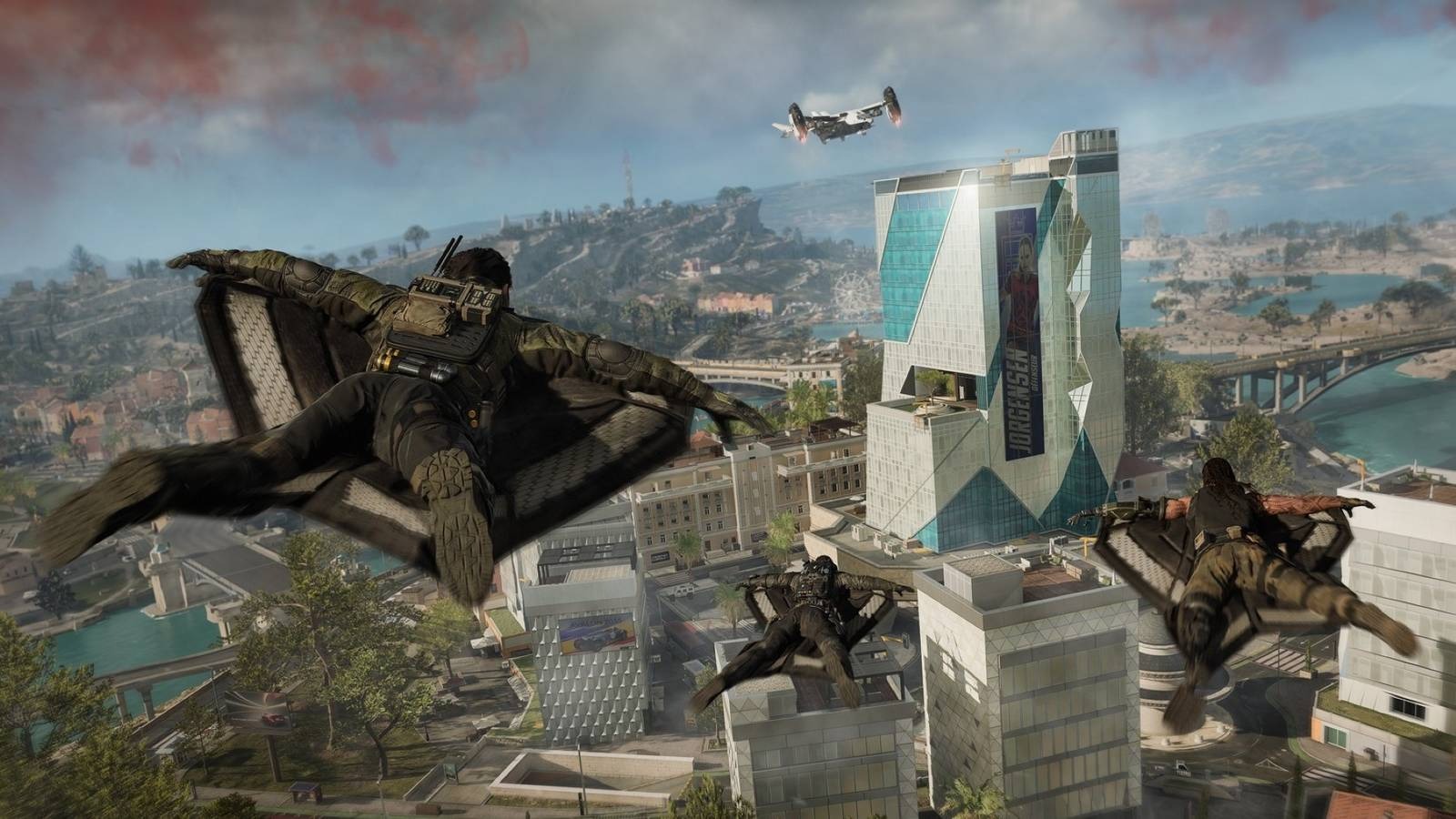
Crisis: Black Ops 7 Plummets to Record Low Ratings, Sparking Franchise Concerns










Popular Now
 Sonic the Hedgehog™ Classic
 CarX Street
Black Myth: Wukong
CarX Street
Black Myth: Wukong
 Minecraft
 Fortnite
 Stumble Guys
 EA SPORT FC 25
 R.E.P.O
 God of War Ragnarök
 The Legend of Zelda
The gaming world is buzzing, but not with excitement, as news breaks regarding the latest installment in the iconic first-person shooter series. Black Ops 7 has reportedly become the lowest-rated Call of Duty game ever, according to its user scores, with critical reception also falling significantly short of expectations. This alarming decline in player and professional sentiment signals a potential crisis for the long-running franchise and its publisher, Activision.
For years, the Call of Duty series has been a cornerstone of the gaming industry, consistently delivering blockbuster sales and engaging millions of players worldwide. However, recent trends have pointed towards a growing dissatisfaction among its dedicated fanbase. The launch of Black Ops 7, developed by Treyarch, appears to have crystallized these concerns into a definitive, negative verdict.
The Unprecedented User Score Disaster
Data from prominent aggregation sites reveals a stark reality: Black Ops 7’s user score average sits at an abysmal low, unprecedented in the franchise’s history. This metric, driven directly by player feedback and sentiment, is often seen as a crucial indicator of a game’s success in meeting its audience’s expectations. The outpouring of negative reviews points to a profound disconnect between the game’s design and what players truly desire from a premium AAA title. Common complaints highlighted by players include:
- Lack of Innovation: Many users feel the game offers little in the way of fresh gameplay mechanics or narrative advancements, perpetuating a sense of ‘franchise fatigue.’
- Aggressive Monetization: The implementation of battle passes, cosmetic bundles, and other microtransactions is frequently cited as intrusive and predatory, diminishing the overall player experience.
- Technical Instability: Reports of pervasive bugs, server issues, and inconsistent performance on various platforms have plagued the game since launch, undermining core gameplay.
- Map Design and Balance: Dissatisfaction with map layouts and perceived imbalances in weapon efficacy and character abilities has led to widespread frustration in competitive play.
- Story Mode Quality: For those who engage with the single-player campaign, there have been criticisms regarding its brevity, uninspired plot, and lack of memorable moments.
These grievances collectively paint a picture of a game that failed to address longstanding community concerns while introducing new frustrations, leading to its historic low standing.
Critics Weigh In: A Less Bleak, But Still Disappointing, Picture
While user scores often reflect the passionate, sometimes volatile, opinions of the player base, critic reviews generally offer a more measured and analytical perspective. However, even with this distinction, Black Ops 7’s critic average is far from stellar. Reviewers, while often acknowledging certain technical competencies or moments of enjoyable gameplay, have largely echoed the sentiment of a franchise struggling to evolve. Key points from critical assessments include:
- A sense of ‘been there, done that,’ with many mechanics and themes feeling recycled.
- Praise for certain graphical enhancements often tempered by observations of performance dips.
- Critiques of the multiplayer’s fundamental design, particularly regarding spawn points and overall flow.
- Questions raised about the value proposition for a full-price title, given its perceived shortcomings.
The convergence of both user and critic dissatisfaction is particularly concerning. While critics’ scores might not have plunged to the same depths as user ratings, their lukewarm reception indicates a fundamental issue with the game’s core design and execution, extending beyond mere fan grievances.
The Broader Implications for Activision and the Call of Duty Franchise
The performance of Black Ops 7 carries significant weight for Activision and the broader gaming industry. The Call of Duty brand is a massive revenue generator, and a faltering installment can have substantial financial repercussions. Investor confidence, future development budgets, and the strategic direction of upcoming titles will undoubtedly be impacted.
Furthermore, this situation puts a spotlight on the ‘live service’ model that many AAA titles, including Call of Duty, now employ. The expectation of continuous content updates, seasonal battle passes, and persistent online engagement is contingent on a strong, satisfied player base. When the initial launch fails to capture interest or actively alienates players, the long-term viability of these monetization strategies comes under severe scrutiny. The declining player engagement metrics could pose a significant challenge for ongoing revenue streams.
For Treyarch, the studio behind Black Ops 7, this reception demands a critical internal review. Understanding where development priorities misaligned with player expectations will be crucial for the studio’s future projects and its standing within the Activision-Blizzard ecosystem, now part of Microsoft’s vast gaming empire. The pressure to innovate while retaining the core essence of Call of Duty has never been higher.
Looking Ahead: What Does This Mean for Call of Duty’s Future?
The poor reception of Black Ops 7 serves as a stark warning. The Call of Duty franchise, while immensely successful, cannot rest on its laurels. Players are increasingly discerning, demanding not just new content, but genuinely innovative and polished experiences that respect their time and investment. The current trajectory suggests a need for a fundamental re-evaluation of the franchise’s development cycle, creative direction, and monetization strategies.
Activision faces a critical juncture. Will they double down on existing formulas, or will they heed the resounding feedback from both players and critics? The path forward likely involves a renewed focus on core gameplay, a more transparent and player-friendly approach to monetization, and a commitment to delivering highly polished, bug-free launches. The future of Call of Duty, a titan of the gaming industry, now hangs in the balance, awaiting decisions that could either reinvigorate its legacy or accelerate its decline.