
More Than a Homage: Fields of Mistria Proves Itself a Standout Life-Sim










Popular Now
Sonic the Hedgehog™ Classic
 Candy Crush Saga
 PUBG Mobile
 Rust
Rust
 League of Legends
 Grand Theft Auto V
 Poppy Playtime
 NBA 2K24
 Free Fire
Garena Free Fire: Kalahari
Free Fire
Garena Free Fire: Kalahari 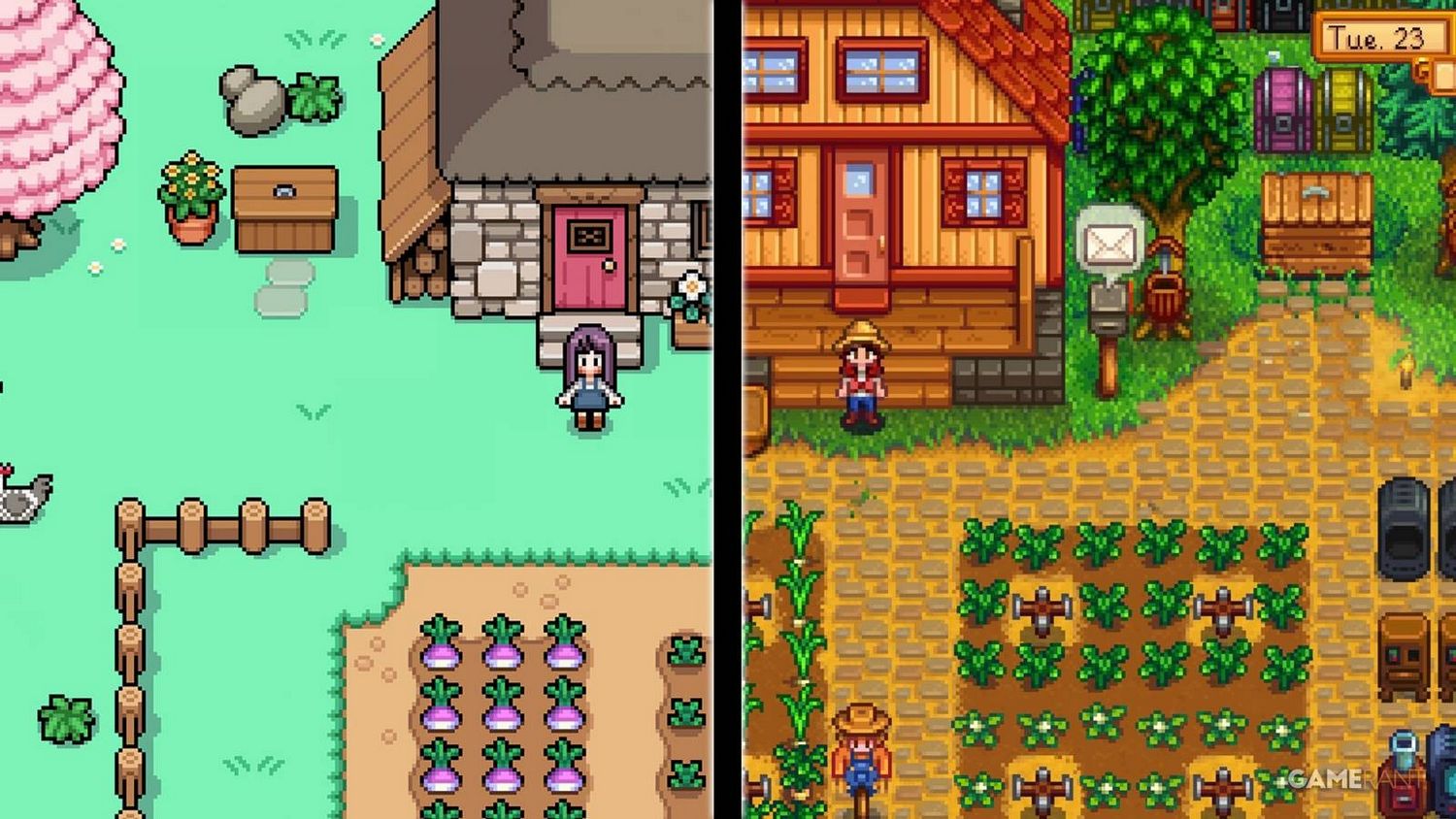
 In the crowded field of farming and life-simulation games, Fields of Mistria emerges not just as another title inspired by Stardew Valley and the Harvest Moon/Story of Seasons series, but as a vibrant, distinct, and compelling experience in its own right. Launched into Early Access by the independent studio Mistria Games, the title has quickly cultivated a dedicated following, thanks to its charming aesthetics, deep mechanics, and a world brimming with secrets to uncover.
While the genre’s foundations are clearly visible—from the dilapidated family farm you must restore to the quaint town filled with dateable villagers—Fields of Mistria excels by meticulously refining these classic elements while introducing several innovative systems that grant it a unique flavor. The game successfully balances the comforting familiarity of tending crops with the excitement of exploring a magical, dangerous frontier.
 The Mistria Difference: Key Features That Set It Apart
 The Mistria Difference: Key Features That Set It Apart
Fields of Mistria shines in its commitment to player freedom and the depth of its secondary systems. It understands that a great life-sim is about more than just farming; it’s about establishing a personal rhythm and connecting with the world around you.
1. Deeply Integrated Magic System
Unlike many genre counterparts where magic is a secondary skill, it is a core, tangible resource in Mistria. Players can learn a variety of spells and abilities tied to the elemental spirits of the land. These spells are essential not only for combat in the game’s mines and dungeons but also for efficient farming. For example, a water spell can irrigate a large plot of land instantly, and earth spells can help till or clear rocks faster. This integration of magic into the daily farming routine is a fresh addition that meaningfully changes the pace and feel of gameplay.
2. Dynamic and Expressive Villagers
The residents of Mistria are perhaps the game’s strongest asset. While they follow the convention of having individual schedules and preferences, the sheer volume of dialogue and unique events sets them apart. Villagers in Mistria react more realistically to the player’s actions and the changing seasons. The dateable characters are particularly well-written, with rich backstories and complex social dynamics that evolve organically as the player spends time with them. This focus on narrative quality helps forge genuine emotional connections between the player and the town’s inhabitants, making the social aspect of the game feel more rewarding.
3. Flexible Skill Progression
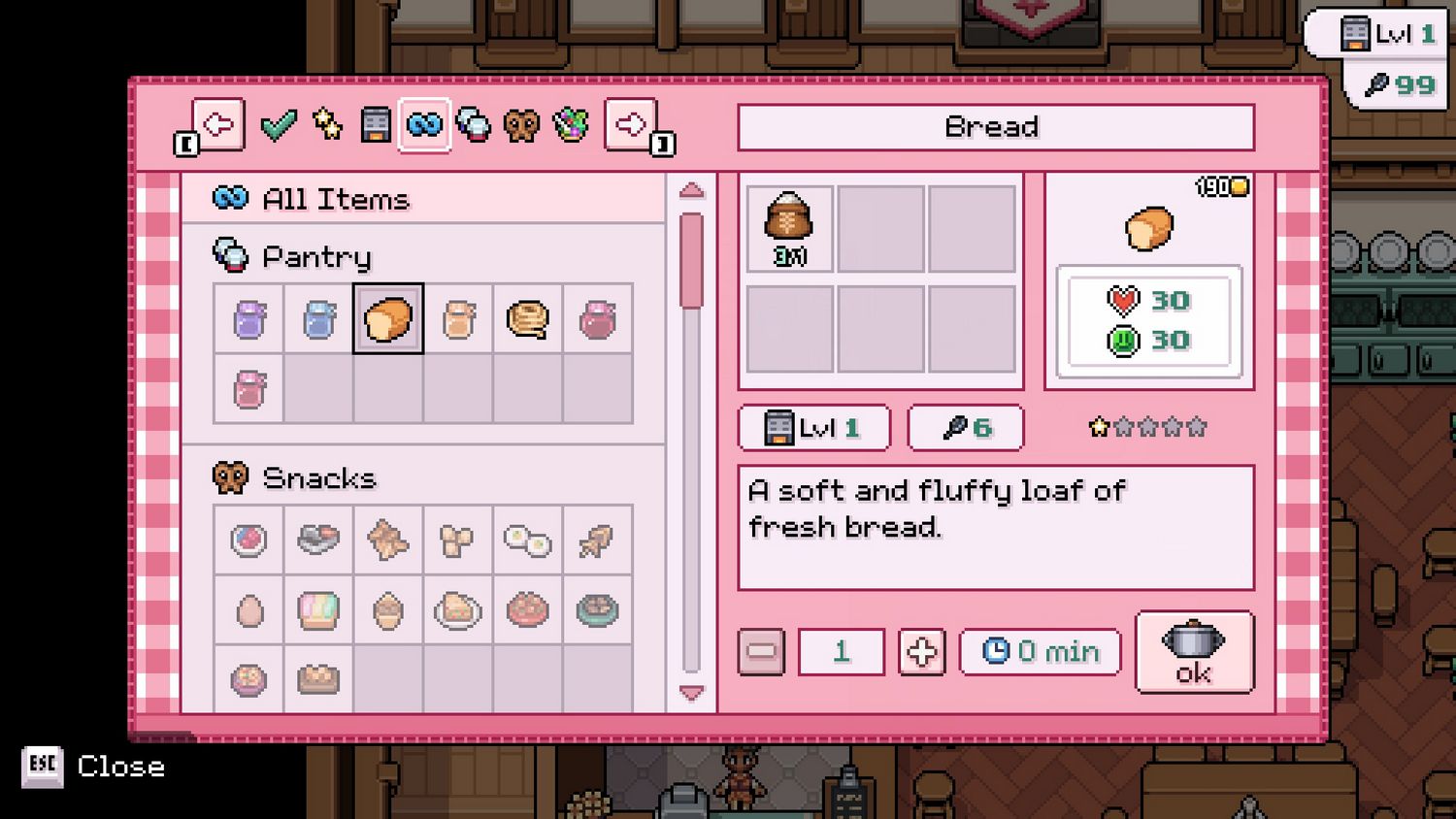
Fields of Mistria avoids the restrictive leveling paths of some other games. Instead, it offers a more flexible skill tree that rewards players for simply engaging in activities. Whether you are farming, fishing, mining, or exploring, your relevant skills progress, unlocking new recipes and abilities. This design choice encourages experimentation without punishing players who prefer to focus on non-traditional aspects of the game. Furthermore, the inclusion of an ancient, forgotten skill—often tied to the game’s mystical lore—provides a compelling late-game goal for dedicated players.
Early Access Success and Future Potential
Since its Early Access debut in Q2 2025, the game has received overwhelmingly positive feedback. Players have praised the vibrant pixel-art style, which feels like a perfect blend of classic SNES-era visuals and modern polish. The community has particularly embraced the game’s commitment to continuous updates, with Mistria Games regularly adding new festivals, crops, animals, and bug fixes based directly on player feedback. The development roadmap promises the introduction of marriage and children, further dungeons, and a full conclusion to the main storyline, indicating a strong trajectory toward a complete and feature-rich 1.0 release.
Ultimately, Fields of Mistria is a resounding success in a genre defined by heavy hitters. It honors its inspirations by providing the cozy, restorative core that fans crave, but it refuses to be a simple clone. By weaving magic into its mechanics, creating a truly living community, and offering a non-linear path of progression, the game carves out its own space. It’s a must-play for fans of Stardew Valley who are looking for a familiar-yet-fresh experience to sink hundreds of hours into.